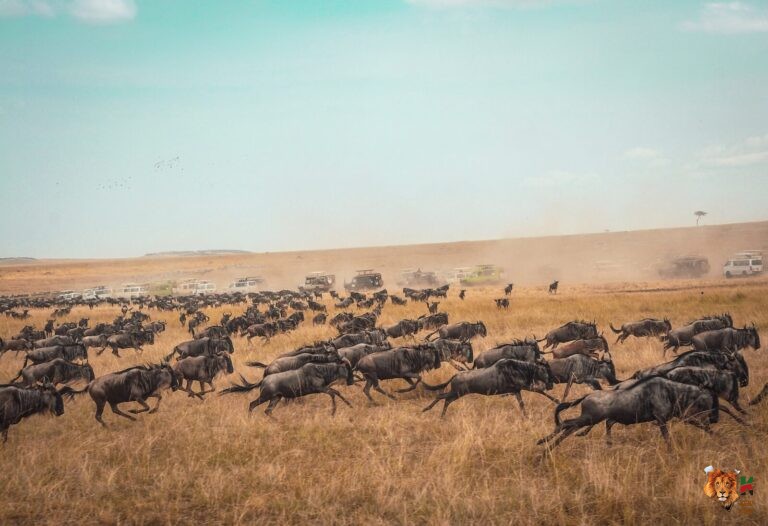
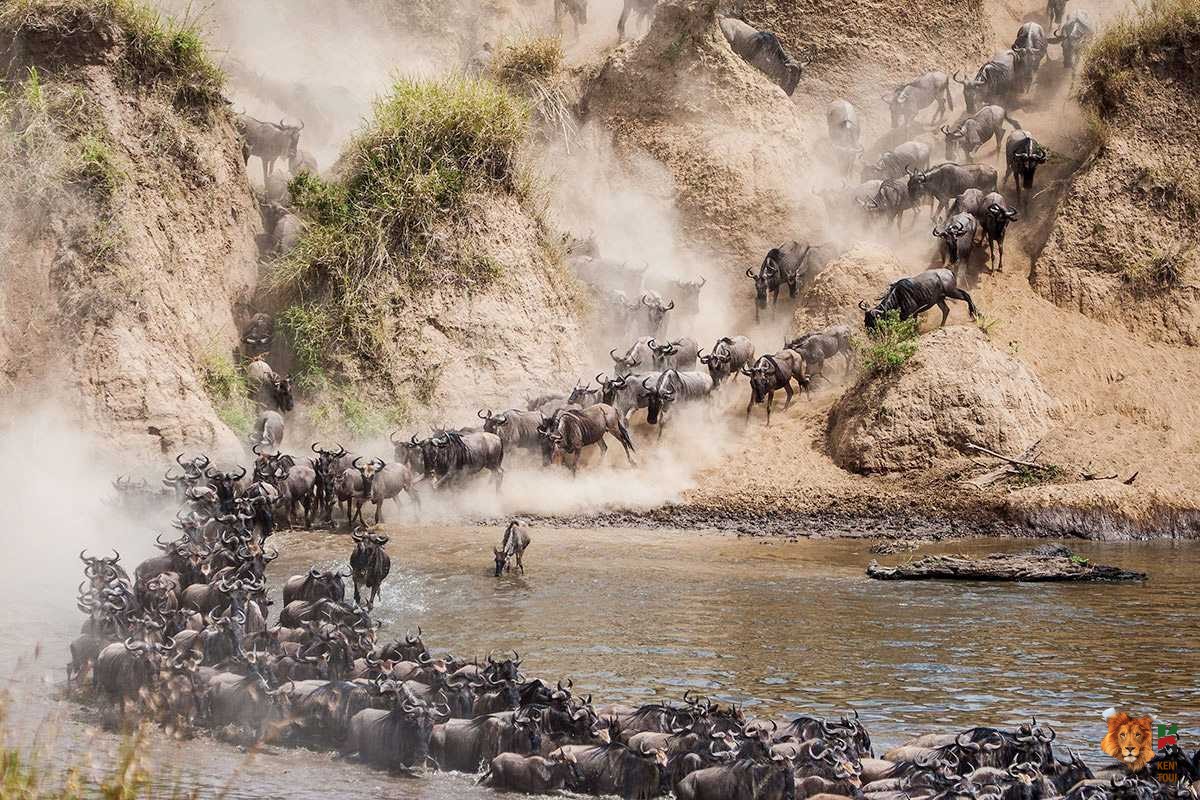
Few natural spectacles on earth compare to the thunder of hooves as millions of wildebeest charge across the Mara River. For incentive groups and wildlife lovers alike, the wildebeest crossings in Kenya is more than a safari moment—it’s a once-in-a-lifetime experience filled with drama, anticipation, and raw nature.
This guide breaks down wildebeest crossings, herd movement timelines, 2026 predictions, and the best times to plan a Kenya incentive safari that delivers unforgettable results.
What Makes the Wildebeest Crossing So Special?
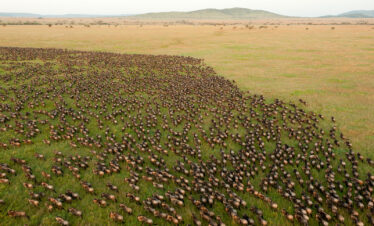
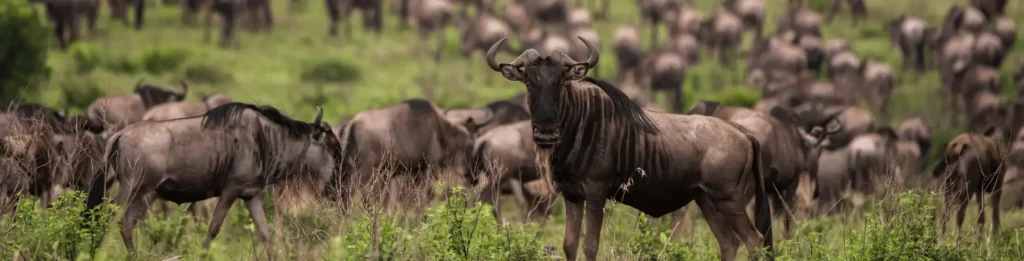
The Great Wildebeest Migration is the largest land migration on the planet, involving over 1.5 million wildebeest and thousands of zebras and antelopes.
For Kenya-based trips—especially incentive travel—the highlight is the Mara River crossing, where herds plunge into crocodile-filled waters and battle currents to reach greener pastures. It’s chaotic, emotional, powerful, and perfect for team-building memories, corporate photography, and brand storytelling.
Best Time to See Wildebeest Crossings in Kenya
Wildebeest movement patterns follow rain, grass availability, and seasonal cycles. Here’s what travellers should expect:
✔ January – March: Calving Season (Southern Serengeti)
Not in Kenya, but significant for understanding the movement rhythm. Over 500,000 calves are born—making it a prime predator season.
✔ April – June: The Journey North Begins
Herds move toward central and northern Serengeti.
Not ideal for river crossings, but excellent for off-peak incentive travel with fewer crowds.
✔ Late July – August: Peak Crossing Season (Kenya)
This is the best time for wildebeest crossing safaris in Kenya.
Herds finally reach the Masai Mara and attempt multiple crossings at different points:
- Musiara
- Talek River
- Mara Triangle
- Sand River
If your incentive trip prioritizes the crossing, late July to mid-August is the safest bet.
✔ September – Early October: Classic Migration Viewing
Herds spread across the Mara with possible additional crossings.
Perfect balance of sightings and slightly reduced crowds.
✔ Late October – Early November: Return Crossings
A smaller but still spectacular southbound movement.
Ideal for last-minute incentive groups or flexible corporate travel.
2026 Wildebeest Movement & Crossing Predictions
While nature never guarantees exact dates, current patterns, rainfall analysis, and multi-year tracking give a reliable 2026 outlook:
📌 2026 Prediction Summary
→ Expect the wildebeest to reach the Mara between 20 July and 10 August 2026.
→ Peak crossings are likely 25 July – 18 August 2026.
→ Secondary return crossings likely 22 October – 3 November 2026.
Why These Predictions?
- Recent migration years (2021–2025) have shown a fairly consistent northbound arrival around late July.
- Rainfall patterns have stabilised post-El Niño, meaning grass growth and herd paths are more predictable.
- Conservation corridor access in the Serengeti–Mara ecosystem has remained largely unchanged.
If you’re planning corporate incentive travel, schedule your 2026 trips within the late July–mid August window for maximum crossing probability.
Why the Wildebeest Migration Is Perfect for Incentive Groups
A Kenya incentive safari built around the Great Migration offers unmatched value:
1. Memorable Shared Experiences
Watching a crossing together bonds teams instantly—adrenaline, excitement, and awe in one moment.
2. Stunning Content for Internal & External Branding
Drone shots (where permitted), photography, and professionally captured crossing footage elevate corporate storytelling.
3. Luxury Meets Adventure
From private conservancies to hot-air balloon rides, Kenya blends wild nature with world-class hospitality.
4. ESG & Community Connection
Incentives can integrate conservation visits or Maasai community projects for meaningful, impact-driven travel.
Suggested 4-Day Wildebeest Crossing Incentive Itinerary
Day 1 — Nairobi Arrival
Welcome dinner + wildlife talk + CEO welcome message.
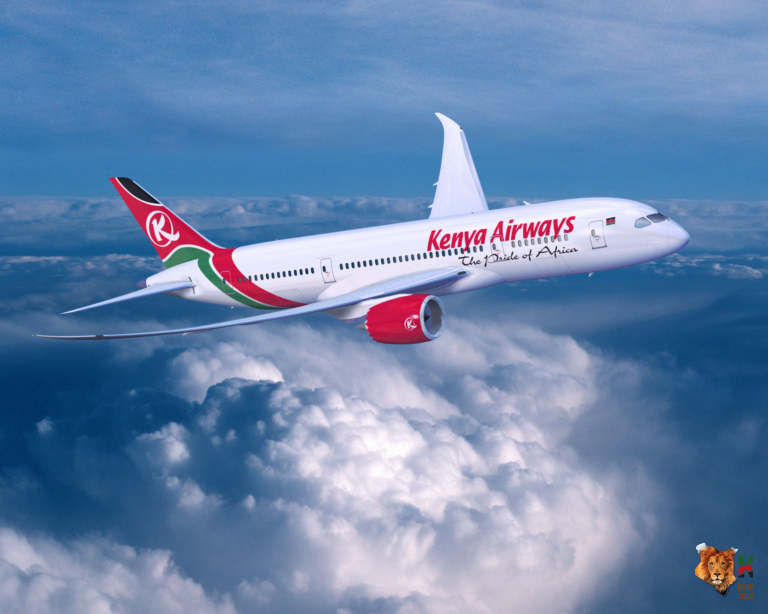
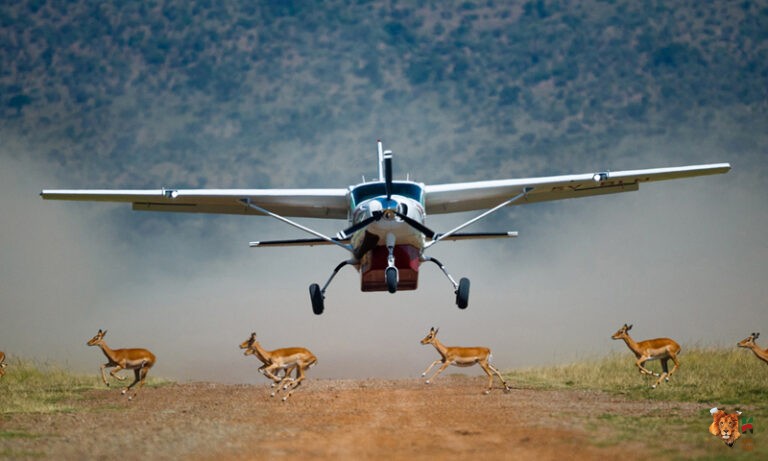
Day 2 — Fly to Masai Mara
Check into a private conservancy lodge (fewer vehicles, exclusive viewing).
Sunset game drive.
Day 3 — Full-Day Crossing Hunt
- Sunrise hot-air balloon
- Position at prime river-crossing points
- Bush lunch
- Evening awards ceremony or cocktails
Day 4 — Morning Game Drive & Departure
Optional beach extension to Diani or Watamu.
Top Tips for Planning a Wildebeest Crossing Safari
✔ Book early (6–12 months)
July–August fills extremely fast.
✔ Allocate at least 3–4 days in the Mara
Crossings are unpredictable—time increases your chances.
✔ Choose private conservancies when possible
More flexibility, fewer vehicles, better photographic angles.
✔ Work with local trackers
Migration updates and daily herd movement reports improve accuracy.
Frequently Asked Questions
Q: What’s the best month to see wildebeest crossings in Kenya?
A: Late July through August gives the highest probability, with sightings extending into early October.
Q: Can I guarantee a river crossing?
A: No safari can guarantee it, but staying 3+ days in the Mara dramatically increases your chances.
Q: When should incentive groups book for 2026?
A: Book between Now and March 15, 2026 to target the peak.
Final Thoughts
The wildebeest crossing is the heart of Kenya’s safari magic—a natural event that merges power, danger, and breathtaking beauty. For incentive groups, it’s the perfect centrepiece: unique, emotionally stirring, and impossible to forget.
If you’re curating Kenya incentive safaris for 2026, anchoring your experience around the wildebeest migration guarantees a transformational journey your team will talk about for years.