Kenya Is a Birding Paradise
Kenya is a birding paradise unlike anywhere else on Earth. With over 1,100 bird species native to East Africa and more than 600 species regularly spotted within Kenya’s borders, this nation stands as one of the world’s premier birdwatching destinations. Whether you’re a serious ornithologist with specialized equipment or a casual nature lover who wants to see exotic birds in their natural habitat, a Kenya birdwatching safari will exceed your expectations.
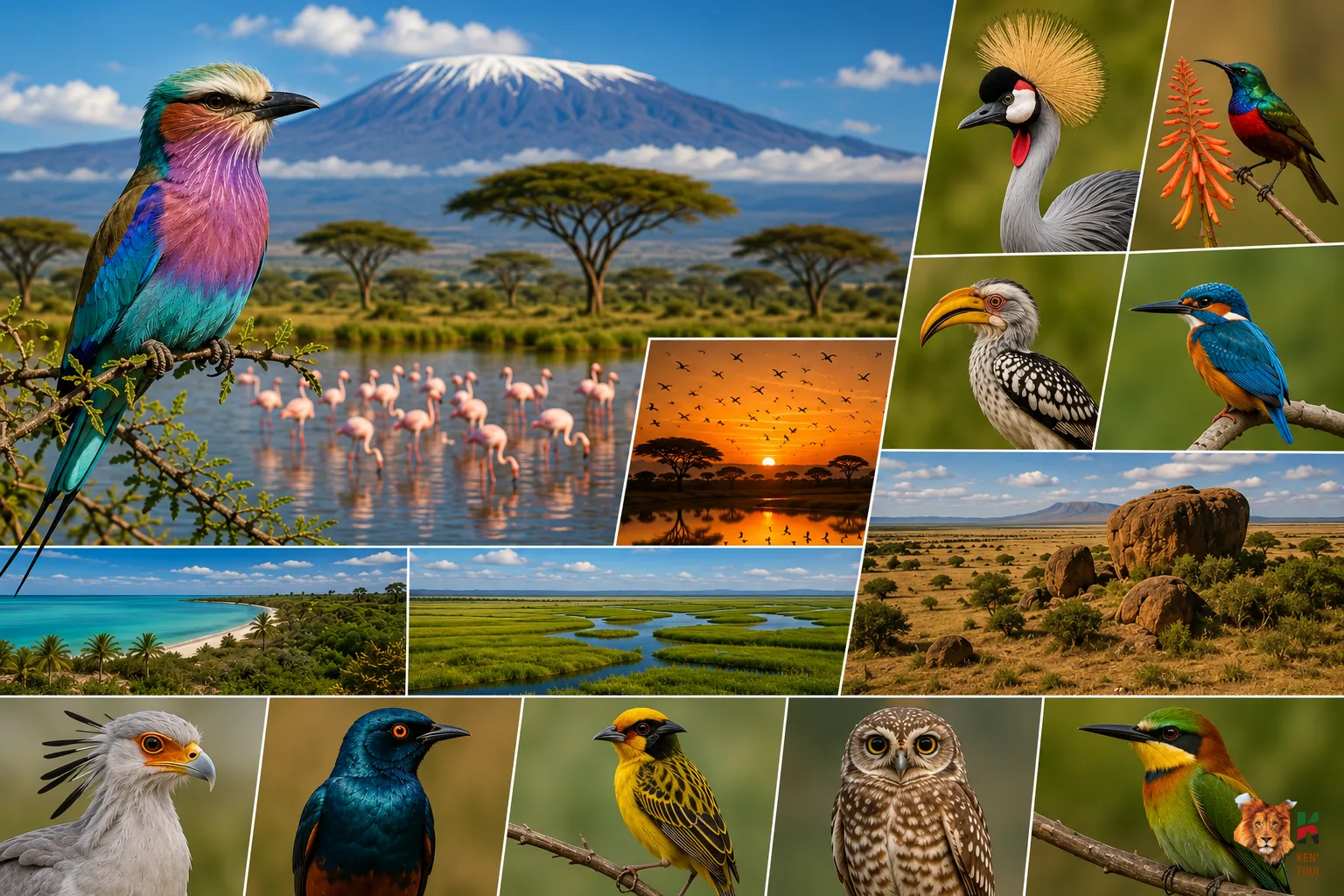
Why Kenya? The answer lies in the country’s extraordinary geography. From the Indian Ocean coast to the snowy peaks of Mount Kenya, from the lush forests of the western highlands to the vast savanna plains—Kenya’s diverse ecosystems support an incredible array of avian life. Each region has its own signature bird species, creating a premier experience for anyone interested in birding in Kenya.
At Kenya Incentives Tours and Safaris (KITS), we’ve guided thousands of birders through Kenya’s landscapes. We understand what you’re looking for: sightings of rare species, comfortable observation platforms, expert guides who can identify birds by their calls, and moments of pure connection with nature.
This comprehensive guide will take you through everything you need to know about planning your custom adventure—from the best locations to the species you’ll encounter to the practical details of planning your trip.
Why Kenya Is the Ultimate Birdwatching Destination
Kenya’s Birdwatching Advantage Over Other African Destinations
Africa has many wonderful birdwatching destinations: Tanzania, Uganda, South Africa, and Zambia all offer excellent birding. But Kenya offers something special—a combination of accessibility, diversity, and experience that makes it the obvious choice for serious birders seeking the ultimate bird watching safari Kenya.
- Diversity: Kenya’s 600+ bird species represent Africa’s full variety. You’ll see kingfishers and martial eagles, flamingos and crowned cranes, sunbirds and eagles. You’ll encounter species endemic to Kenya that you won’t find anywhere else in the world.
- Accessibility: Unlike some East African destinations that require complicated logistics, Kenya is easy to reach. Direct flights from major international hubs, a straightforward digital entry process via the Official Kenya Electronic Travel Authorization (ETA) System, and established tourism infrastructure make planning simple.
- Expert Guides: Kenya has a long tradition of ornithology tourism. Our guides aren’t just wildlife experts—many are serious birders themselves who can identify species by sight and call, understand bird behavior, and know exactly where to find specific species.
- Established Infrastructure: We know where the birds are. We know which seasons are best for specific species. We have relationships with luxury lodges positioned for optimal birding. This knowledge comes from years of experience.
The Best Times for Birdwatching in Kenya
Bird populations in Kenya change seasonally. Understanding these patterns helps you plan the perfect trip:
- Year-Round Residents: These are birds that stay in Kenya all year, including some of the most iconic species like the Secretary Bird, Crowned Crane, and various eagles.
- Breeding Season (March-August): Many migratory species arrive to breed during Kenya’s long rains. You’ll see more species during these months, and birds in breeding plumage are more colorful and active.
- Dry Season Peak (July-October): The world-famous wildebeest migration attracts predators and scavengers. If you’re interested in raptors and eagles, the dry season is spectacular.
- Green Season (November-February): The landscape is lush and green, water is abundant, and birds are active. This is excellent for birdwatching and the landscape is at its most beautiful.
Most serious birders recommend November-February (the green season) for the highest bird diversity and most comfortable weather.
Kenya’s Premier Birdwatching Locations
1. Masai Mara National Reserve: 500+ Species
The Masai Mara is famous for big game—lions, elephants, zebras—but serious birders know it’s one of East Africa’s richest birding destinations.
- Best for: General birdwatching, raptors, weavers
- Signature Species: African Fish Eagle, Martial Eagle, Secretary Bird, and various Weavers.
- Birding Tips: Early morning drives (before 8 AM) are best for active birds. Bring powerful binoculars (8×42 or 10×42). A guide who knows the river crossings can position you for excellent fish eagle views.
2. Lake Nakuru National Park: Flamingos and Water Birds
Lake Nakuru creates one of Kenya’s most otherworldly birdwatching experiences. The lake is famous for its incredible populations of flamingos—sometimes numbering in the millions. Watching a pink sunset reflected in a lake covered in pink flamingos is surreal.
- Best for: Water birds, flamingos, waders
- Signature Species: Greater Flamingo, Lesser Flamingo, Sacred Ibis, Grey Crowned Crane, and White Pelican.
3. Amboseli National Park: Arid Region Specialists
While famous for elephant photography and Mount Kilimanjaro views, Amboseli is a hidden gem for arid-region birding. The park’s combination of grassland, acacia woodland, and volcanic terrain supports specialized bird species.
- Best for: Arid-adapted species, raptors, ground birds
- Signature Species: Crowned Crane, Lilac-breasted Roller, Martial Eagle, Secretary Bird, and Bustards.
4. Lake Naivasha: Freshwater Birding
Lake Naivasha’s freshwater environment supports different bird species than the alkaline lakes like Nakuru. Boat excursions on the lake put you close to water birds.
- Best for: Water birds, herons, eagles, cormorants
- Signature Species: African Fish Eagle, Great White Heron, Pied Kingfisher, and Malachite Kingfisher.
5. Tsavo East and West National Parks
The Tsavo parks cover a vast area and support diverse bird species adapted to arid conditions.
- Best for: Raptors, ground birds, weavers
- Signature Species: Somali Ostrich, Vultures (white-headed and lappet-faced), Tawny Eagles, and Lovebirds.
6. Samburu National Reserve: Northern Dry-Country Specials
In Kenya’s north, Samburu is a premier birdwatching destination home to over 450 recorded bird species, including unique northern dry-country specials that fewer international tourists visit.
- Best for: Northern region specialists, vultures, game birds
- Signature Species: Somali Ostrich, Vulturine Guineafowl, Somali Bee-eater, and Pearl-breasted Swallow.
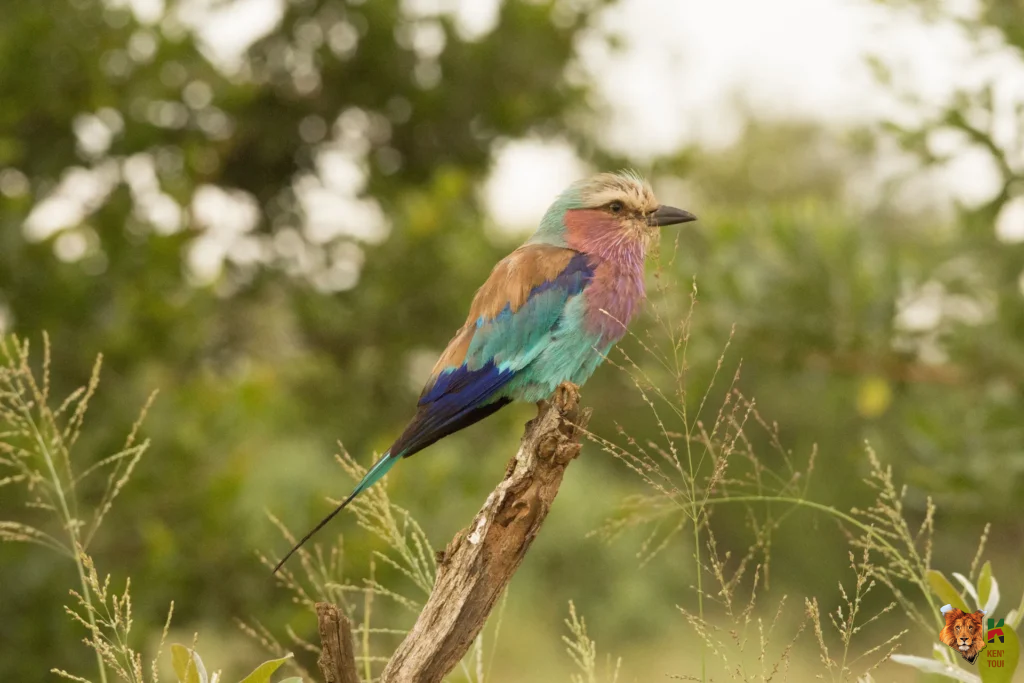
The 50 Most Spectacular Birds You’ll See in Kenya
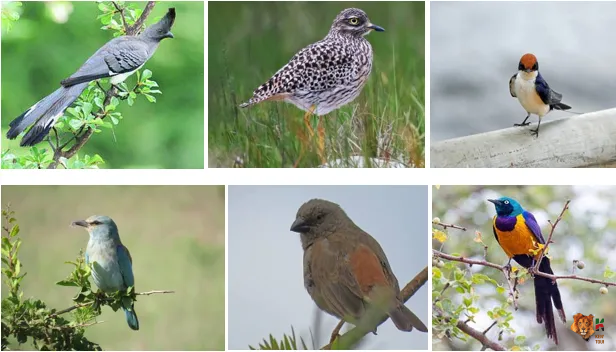
This isn’t an exhaustive list of Kenya’s 1,100+ species—just the birds that consistently amaze visitors on our premium Kenya safari tours.
EAGLES AND RAPTORS
- African Fish Eagle – White head, chestnut body, powerful hunting eagle
- Martial Eagle – One of Africa’s largest eagles with a 6+ foot wingspan
- Crowned Eagle – Forest eagle with powerful talons
- Tawny Eagle – Medium eagle with tawny plumage
- Secretary Bird – Tall ground eagle that hunts snakes
- Augur Buzzard – Medium buzzard with a rich chestnut back
- African Harrier Hawk – Specialized hunter of cliff-nesting birds
- Steller’s Eagle – Rare winter visitor from Asia (if you’re lucky)
CRANES AND WADERS
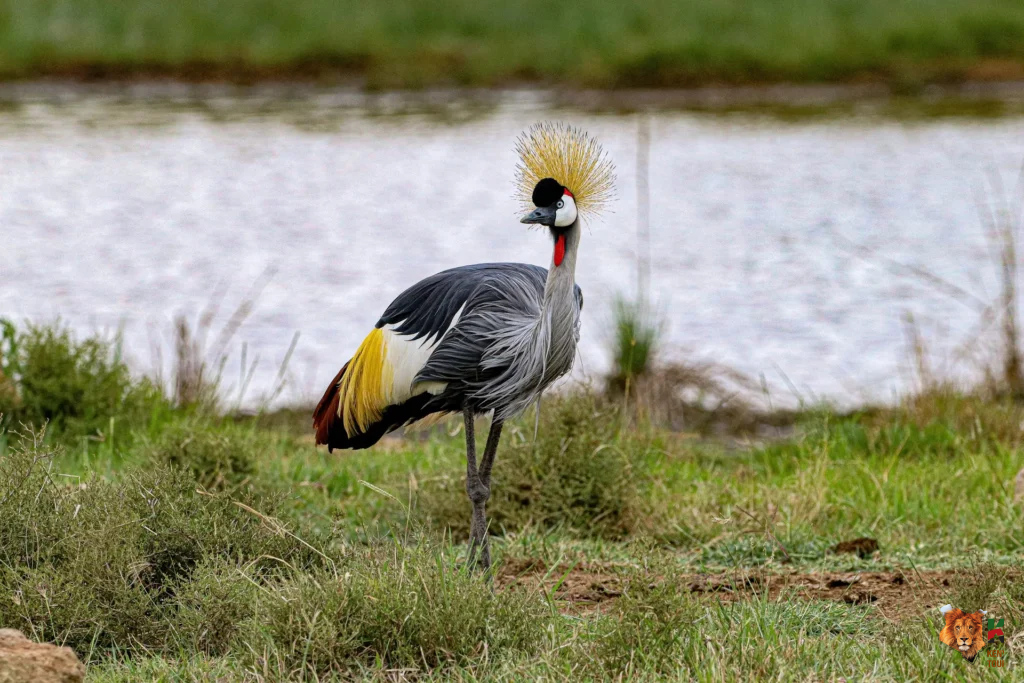
- Grey Crowned Crane – Golden-eared crane with a soft, iconic call
- Black Crowned Crane – Rare, found in highly specific wetlands
- Goliath Heron – Africa’s largest heron species
- Purple Heron – Beautifully colored heron hiding in reeds
- Sacred Ibis – Black and white ibis with a distinctive curved beak
- Hadada Ibis – Dark, iridescent ibis with a loud, legendary call
WATER BIRDS
- Greater Flamingo – The iconic pink bird with a deep filter-feeding beak
- Lesser Flamingo – Smaller, highly vibrant, and more numerous flamingo
- Great White Pelican – Massive water bird seen feeding cooperatively
- Black and White Kingfisher – Striking kingfisher with rapid hovering actions
- Malachite Kingfisher – Brilliant, jewel-like blue kingfisher
- Pied Kingfisher – Highly active black and white fishing specialist
- Cormorant – Dark-plumed expert water diving bird
- Anhinga – Snake-like darter bird that swims submerged
ROLLERS AND BEE-EATERS
- Lilac-breasted Roller – A spectacular riot of pastel colors (blue, purple, orange)
- European Roller – Bright solid blue migratory roller
- Abyssinian Roller – Elegant chestnut and blue roller with tail streamers
- White-fronted Bee-eater – Deeply colorful bee-eater with a bright white forehead
- Carmine Bee-eater – Unforgettable rose-and-carmine colored bee-eater
- Blue-cheeked Bee-eater – Slender green and blue master aerial hunter
SUNBIRDS AND WARBLERS
- Beautiful Sunbird – Iridescent green sunbird that darts between flowers
- Amethyst Sunbird – Deep velvet-black sunbird with a brilliant purple-headed patch
- Scarlet-chested Sunbird – Flashy crimson chest contrasting with dark feathers
- Variable Sunbird – Shifting yellow and metallic colors that glint in the sunlight
- White-winged Warbler – Small, highly energetic wetland warbler
- Yellow-breasted Warbler – Minute yellow warbler active in acacia canopies
GAME BIRDS AND BUSTARDS
- Helmeted Guinea Fowl – Plump grey-and-white spotted ground game bird
- Vulturine Guinea Fowl – Striking cobalt-blue-headed guinea fowl of the dry north
- Kori Bustard – The heaviest flying bird in Africa, gracefully strutting the plains
- White-bellied Bustard – Medium bustard known for dramatic mating displays
- Kenya Quail – Small, well-camouflaged ground bird found in grasslands
OWLS AND NIGHTJARS
- Pearl-spotted Owlet – Tiny, daytime-active spotted owl with a rhythmic call
- Barn Owl – Ghostly light-colored nocturnal hunting owl
- Marsh Owl – Medium owl hunting silently over marshy grasslands
- Slender-tailed Nightjar – Perfect bark-mimic cryptic nocturnal insect-eater
PIGEONS AND DOVES
- Green Wood Pigeon – Emerald-tinted forest pigeon
- Lemon Dove – Small delicate dove searching leafy forest floors
- Ring-necked Dove – Ubiquitous woodland dove with a distinct call
- Emerald-spotted Wood Dove – Delicate dove with metallic green wing patches
- Laughing Dove – Small reddish-brown dove with a chuckling song
PARROTS AND LOVEBIRDS
- African Grey Parrot – Highly intelligent, legendary grey forest parrot (rare)
- Black-capped Lovebird – Small, incredibly colorful, and social parrot pairing for life


Birdwatching vs. General Safari: What’s the Difference?
Many visitors to Kenya want to combine birdwatching with traditional safari activities (seeing lions, elephants, leopards, etc.). Knowing how they differ allows us to orchestrate the perfect balance for you.
| General Safari Focus | Birdwatching Safari Focus |
| Vehicle-based game drives looking for large animals | Slower-paced, featuring foot-based or boat-based tracking |
| Quick sightings of multiple species (The Big Five) | Patient observation of specific behaviors, markings, and songs |
| Driver looking for movement and size | Expert guide listening intensely for subtle bird calls |
| Emphasizes raw predator drama | Emphasizes fine details, plumages, and accurate identification |
| Less time spent watching individual species | More time spent at locations allowing birds to become comfortable |
The Combination Approach (Highly Recommended)
You don’t have to choose between them! At KITS, our favorite approach seamlessly blends both worlds:
- Morning: Classic game drive searching for big cats, elephants, and plains game.
- Mid-day: Unwinding at a luxury birding lodge with localized garden observation.
- Evening: Specialized birding walks or private boat excursions for water species.
Premium Birding Safari Packages: Hand-Crafted 2026 Itineraries
We are proud to introduce four brand-new, expert-designed birding safari packages crafted to match your ideal travel timeframe. Each safari includes private 4×4 transport, luxury accommodations, park entry fees, and our top-tier professional ornithology guides.
1. 11-Day Bird Watching Kenya Safari Itinerary
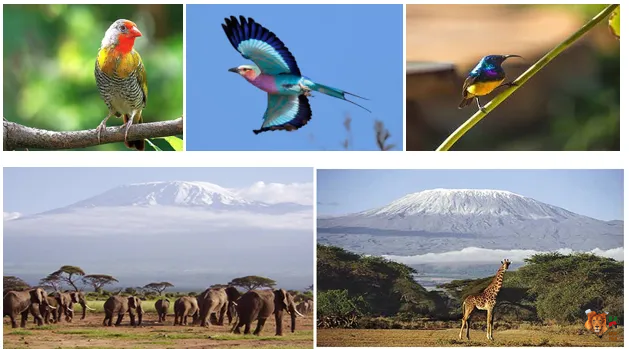
- Best for: An efficient yet deep dive into legendary southern habitats.
- Route: Nairobi ➔ Amboseli National Park (at the foot of Kilimanjaro) ➔ Lake Naivasha ➔ Lake Nakuru ➔ Masai Mara National Reserve ➔ Nairobi Farewell Lunch.
- Highlights: Tracking over 420 species in Amboseli’s volcanic swamps, boat safaris past Naivasha’s kingfishers, and checking off the Mara’s massive raptor list.
2. 12-Day Bird Watching Kenya Safari Itinerary
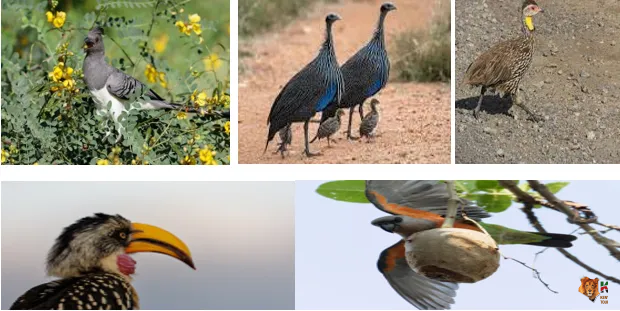
- Best for: Exploring Northern dry-country endemics alongside classic savannas.
- Route: Nairobi ➔ Samburu National Reserve ➔ Ol Pejeta Conservancy ➔ Lake Nakuru ➔ Lake Naivasha ➔ Masai Mara ➔ Nairobi.
- Highlights: Catching Northern frontier specialists like the Vulturine Guineafowl and Somali Bee-eater in Samburu, plus rhino tracking at Ol Pejeta.
3. 14-Day Bird Watching Kenya Safari Itinerary
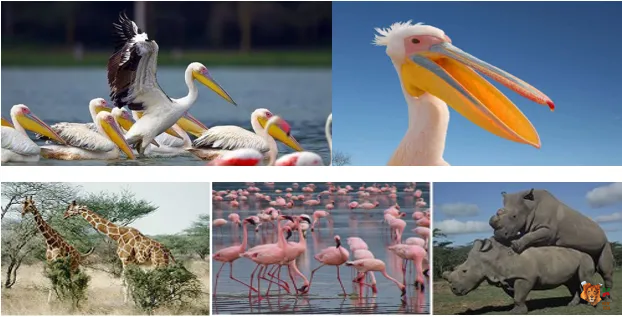
- Best for: Travelers seeking dedicated birding right from the city gates.
- Route: Nairobi Hotel ➔ Full-day Nairobi National Park Birding Tour ➔ Samburu National Reserve ➔ Ol Pejeta ➔ Lake Nakuru ➔ Lake Naivasha ➔ Masai Mara ➔ Nairobi.
- Highlights: Logging up to 100+ species on day one at Nairobi National Park, featuring the rare Red-throated Tit and Dark-capped Yellow Warbler, before traveling North.
4. 16-Day Bird Watching Kenya Safari Itinerary
- Best for: The ultimate, uncompromised grand tour of East Africa’s avian ecosystems.
- Route: Nairobi ➔ Samburu (Extended Stay) ➔ Mount Kenya Forest ➔ Aberdare National Park ➔ Lake Nakuru ➔ Lake Naivasha ➔ Masai Mara ➔ Nairobi City Activities.
- Highlights: High-altitude mountain forest birding for the Crowned Eagle, deep savanna game drives, local cultural market shopping, and an incredible farewell feast at the world-famous Carnivore Restaurant.
Frequently Asked Questions (FAQs)
How many bird species can I realistically expect to see?
On our custom 11 to 14-day safaris, a typical traveler logs between 150 to 250+ distinct species, depending on the season and chosen route. Serious birders focusing heavily on calls can easily exceed this number.
Can I easily combine birdwatching with a classic luxury vacation?
Absolutely. All of our premium itineraries are built with bespoke comfort in mind. We balance highly focused wilderness tracks with beautiful, high-end lodge stays, gourmet meals, and standard wildlife game drives.
What photography gear is recommended?
A camera body with a telephoto lens of at least 300mm to 400mm is ideal for capturing crisp plumages from a distance. Additionally, high-quality, lightweight binoculars (8×42 or 10×42) are highly recommended for daily spotting.
Plan Your Custom Birder’s Escape Today
From the vast, golden grasslands of the Masai Mara to the pink-fringed alkaline waters of the Great Rift Valley lakes, Kenya is calling. Don’t leave your bucket-list journey to chance. Work alongside a dedicated local expert to hand-craft a flexible, safe, and truly unforgettable journey.
Explore our worry-free Cancellation Policy (Internal Link) to view our flexible structural guarantees, or Contact Us Today (Internal Link) to customize one of our four new birding itineraries with our specialized design team!