The Maasai are one of Kenya’s most recognized communities, known for their striking dress, powerful dances, and deep connection to nature. For travelers visiting Kenya for the first time, learning about Maasai culture and traditions adds depth and meaning to the safari experience. This guide will help you understand who the Maasai are, what defines their way of life, and how to engage with their culture respectfully.

Who Are the Maasai?
The Maasai are a semi-nomadic community living in southern Kenya and northern Tanzania. For generations, they have relied on pastoralism, moving with their cattle in search of grazing land and water. Despite the pressures of modernization, the Maasai have preserved much of their traditional lifestyle, language, and social structures.
Their strong sense of identity, respect for elders, and close relationship with nature are central to Maasai culture and traditions. These values continue to shape daily life, ceremonies, and community decision-making.
Key Maasai Cultural Highlights
Understanding Maasai customs helps visitors appreciate the symbolism behind their traditions rather than viewing them as performances.
1. Traditional Clothing
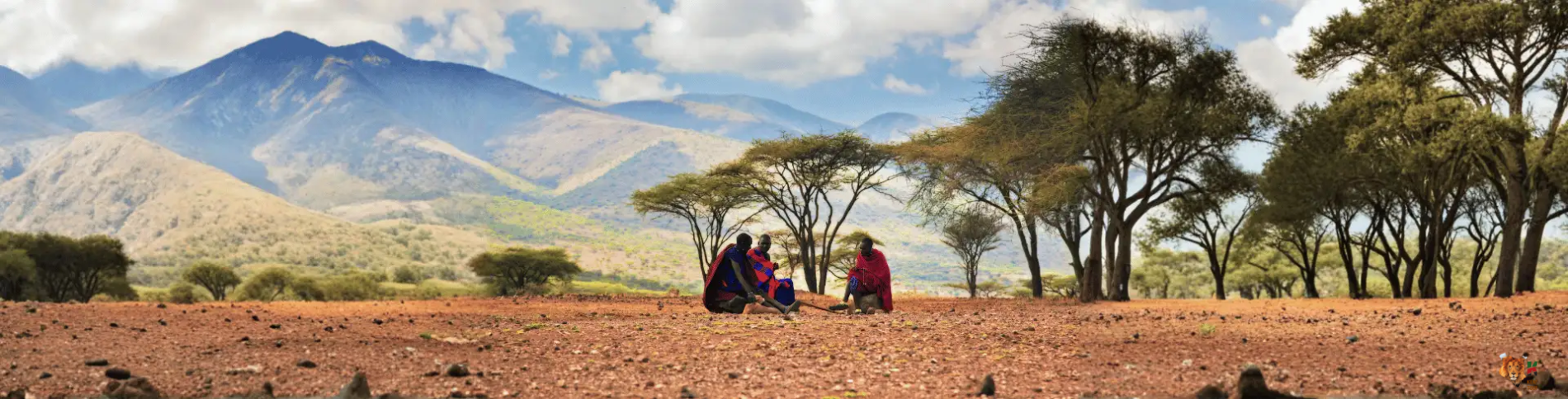
Maasai clothing is one of the most recognizable aspects of their culture. The red shuka (cloth) is both symbolic and practical. Red is believed to represent bravery and strength, and it also helps deter wild animals. Beaded jewelry, worn by both men and women, reflects age, marital status, and social standing.
2. The Jumping Dance (Adumu)
The famous jumping dance, known as Adumu, is traditionally performed by Maasai warriors during coming-of-age ceremonies. It is a display of strength, endurance, and pride. Visitors often see this dance during cultural visits, but it remains deeply rooted in Maasai rites of passage.
3. Maasai Bomas (Homesteads)
Maasai homes, called bomas, are built using mud, sticks, grass, and cow dung. These structures are designed to withstand harsh weather conditions and protect families and livestock. A boma usually houses an extended family and is arranged to keep cattle safe at night.
4. Livestock Is Life
In Maasai culture, cattle are central to survival and identity. Livestock provide food, income, and social status. Wealth is traditionally measured by the number of cattle a family owns, and many ceremonies and customs revolve around livestock.
Why Visit a Maasai Village?
Visiting a Maasai village offers more than just sightseeing. It is an opportunity to engage with a living culture and support local communities.
Benefits of a Maasai cultural visit include:
- Learning directly about Maasai traditions and daily life
- Supporting community-led tourism initiatives
- Purchasing authentic handmade crafts
- Experiencing traditional songs, dances, and storytelling
When done responsibly, cultural visits contribute to education, preservation, and sustainable income for Maasai communities.
How to Be Respectful When Visiting the Maasai
Respect is essential when engaging with Maasai culture and traditions. Visitors should approach cultural experiences with humility and openness.
Key etiquette tips:
- Always ask before taking photos or videos
- Dress modestly and appropriately
- Follow your guide’s instructions at all times
- Avoid treating the visit as entertainment only
- Support the community by buying local crafts
Being respectful ensures that cultural exchanges remain positive for both visitors and hosts.
Is a Maasai Cultural Visit Worth It?
For first-time visitors to Kenya, a Maasai cultural experience is one of the most enriching additions to a safari. It provides context to the landscapes and wildlife, reminding travelers that these lands are also home to communities with deep history and traditions.
By learning about Maasai culture and traditions, visitors gain a deeper appreciation of Kenya beyond game drives and national parks.
Frequently Asked Questions About Maasai Culture and Traditions
What is Maasai culture known for?
Maasai culture is known for its strong traditions, colorful clothing, beadwork, cattle herding, and ceremonial dances.
Is it respectful to visit a Maasai village?
Yes, as long as the visit is community-approved, guided, and approached respectfully.
What should visitors wear when visiting the Maasai?
Modest clothing that covers shoulders and knees is recommended as a sign of respect.